

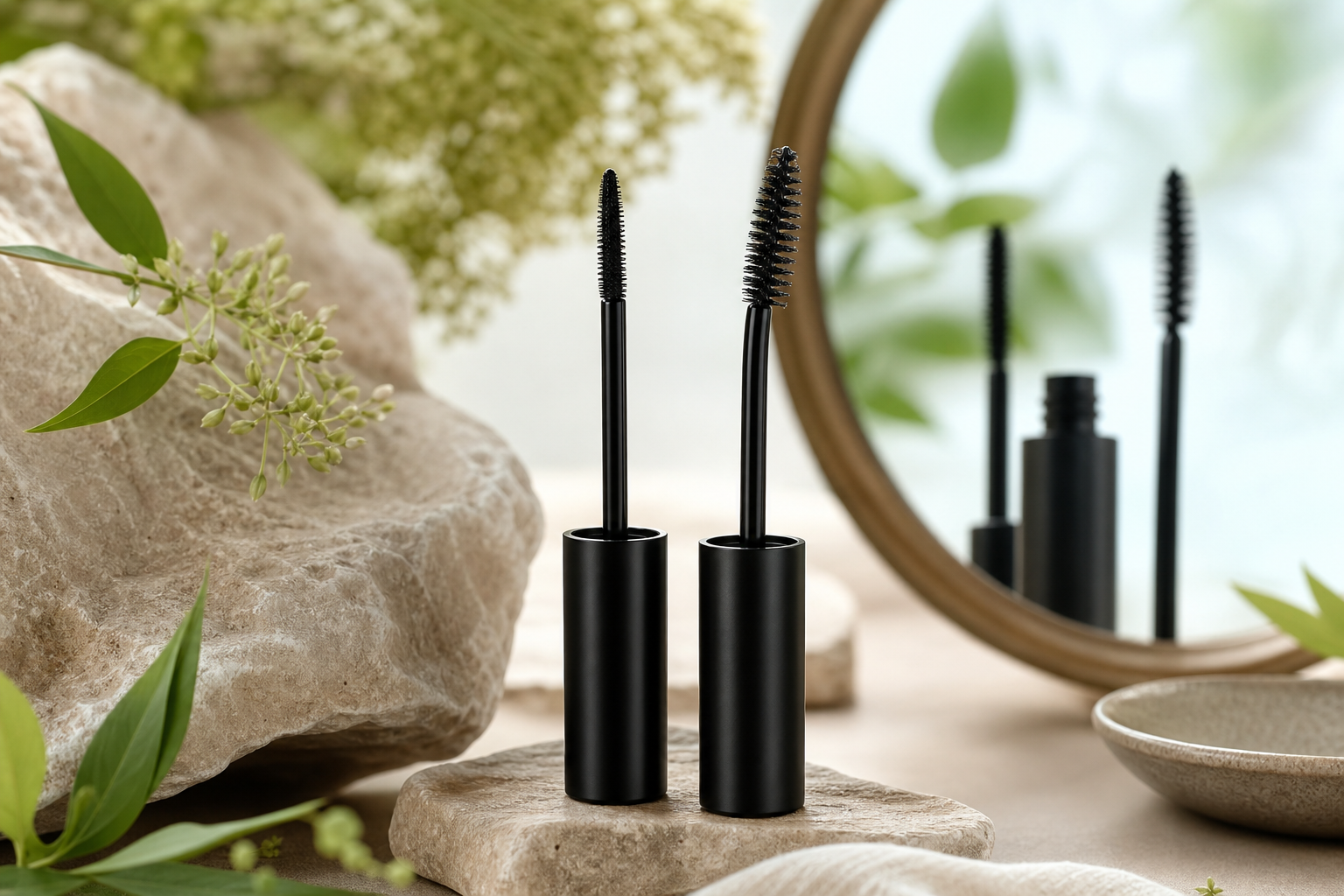
Dual lash mascara tips, whether built into a double-ended tube or created by layering two separate mascaras, let you combine functions like length, separation, volume, and hold. This article gives a decision checklist to match the two sides to your lashes, clear ordered application steps you can follow at home, wand and motion guidance, and a short guide to smudge control and safe removal for sensitive eyes.
Start by matching the problem you want to solve to the two functions to combine. Choose one side to create structure or length, and a second side to add volume, hold, or smudge resistance. The list below shows common matches and why they work.
When in doubt, follow the principle recommended by makeup educators: pick two different formulas for complementary jobs, rather than repeating the same function twice. Industry how-to coverage from Lancôme and The Lash List supports choosing complementary formulas for layering.
Dual systems commonly combine roles. Knowing the job each side performs helps you use the product intentionally instead of guessing by packaging claims.
Top makeup guidance emphasizes combining two different formulas so each side contributes a distinct function, for example length first and volume second.

This is an ordered routine. Follow each stop point and the limits on coats to avoid clumping, irritation, or an overly heavy finish.
Prep the lashes: Start with clean, dry lashes. If you use an oil-based makeup remover, wait until any residue is fully gone. Comb lashes with a clean spoolie to remove flakes and align hairs.
Decide order by function: Use the lengthening, tubing, or primer side first when its job is to coat every lash from root to tip. Apply the volumizing or defining side second to build body and shape. Experts usually advise starting with the side that creates the base or separation, then build with the thicker formula.
Apply the first coat: Hold the wand parallel to the eyelid and place the brush at the root. Sweep from root to tip using a light zigzag motion to deposit product evenly without clumps. The parallel hold and zigzag movement help separate lashes cleanly.
Limit coats and wait time: One thin coat per side is often enough. If you need more intensity, allow 20 to 30 seconds for the first coat to set, then add a second thin coat of the same side only if lashes are still tacky. Stop at two thin coats total per side to avoid clumping and overloading.
Apply the second side: Use the volumizing or defining wand with a twirling motion as you sweep from root to tip to deposit product around each hair. Twirling helps the brush reach the backside of hairs, creating even coverage and separation.
Final separation: If lashes stick together, immediately comb through with a clean spoolie before the product fully dries. For very defined looks, use the defining wand on tips only to avoid weighing down the base.
Lower lashes: Apply a single, light swipe with the thinner wand only. Avoid heavy application on the waterline to reduce particle contact with the tear film.
Brush shape changes how product is deposited. Match the brush to the job and adapt your motion for the best result.
For tubing mascaras, choose a brush that grips the lash without overloading it, because the formula relies on a thin film to perform. Brush choice should follow your lash texture and sensitivity needs.
When sensitivity, smudging, or watery eyes are concerns, tubing mascaras are a sensible base or sole choice. Tubing formulas form a sleeve around the lash that resists flakes and smudges, and they usually remove with warm water and gentle pressure instead of harsh rubbing.
Safe removal steps:
Always stop layering waterproof formulas if you need frequent removal or have fragile lashes, because increased rubbing can cause shedding.

Here are reader concerns and precise criteria to decide whether to use a dual lash system.
Oria Botanica offers a Dual Lash Mascara as part of its clean beauty collection on its website, which positions the brand as cruelty-free and made in North America. For shoppers who prioritise clean formulations and a two-in-one approach, a dual product that combines a defining side with a volumizing side can match the decision rules above. For product details and to view the Dual Lash Mascara, visit Oria Botanica’s site.
If you match the two sides to your primary lash need and follow the ordered application steps above, you should get a defined, buildable finish without excessive clumps or extra removing time. Remember to test any new formula for sensitivity and to follow warm compress removal for long-wear or tubing layers.
Yes. Use the tubing formula as the base to lock in shape and resist smudging, then add a lightweight volumizer sparingly. If you find removal difficult, reduce the volumizer to one thin coat to preserve the tubing removal advantage.
Limit yourself to one thin coat per side as a standard. If you need more, wait 20 to 30 seconds and add a second thin coat only to the side that needs strengthening. Two thin coats per side is a practical maximum before clumping risk increases.
Small, tapered or slim brushes work best for short lashes because they allow you to reach the root and tip with precision. Pair a slim lengthening brush with a light volumizer to build visible extension without heavy weight.
Not necessarily. Tubing or long-wear washable formulas often provide smudge resistance without the removal challenges of waterproof mascara. Reserve waterproof for activities where exposure to water is certain, and always plan a gentle removal routine for waterproof days.
Use a warm compress for 20 to 30 seconds, then slide a soft cotton pad downward rather than rubbing. For waterproof formulas, use a remover designed for long-wear makeup after a warm compress. Avoid oil removal before testing if you use tubing formulas because heavy oils can defeat their film removal method.
Would you like to see Oria Botanica’s Dual Lash Mascara and check whether the wand pair matches your lash needs? Oria Botanica